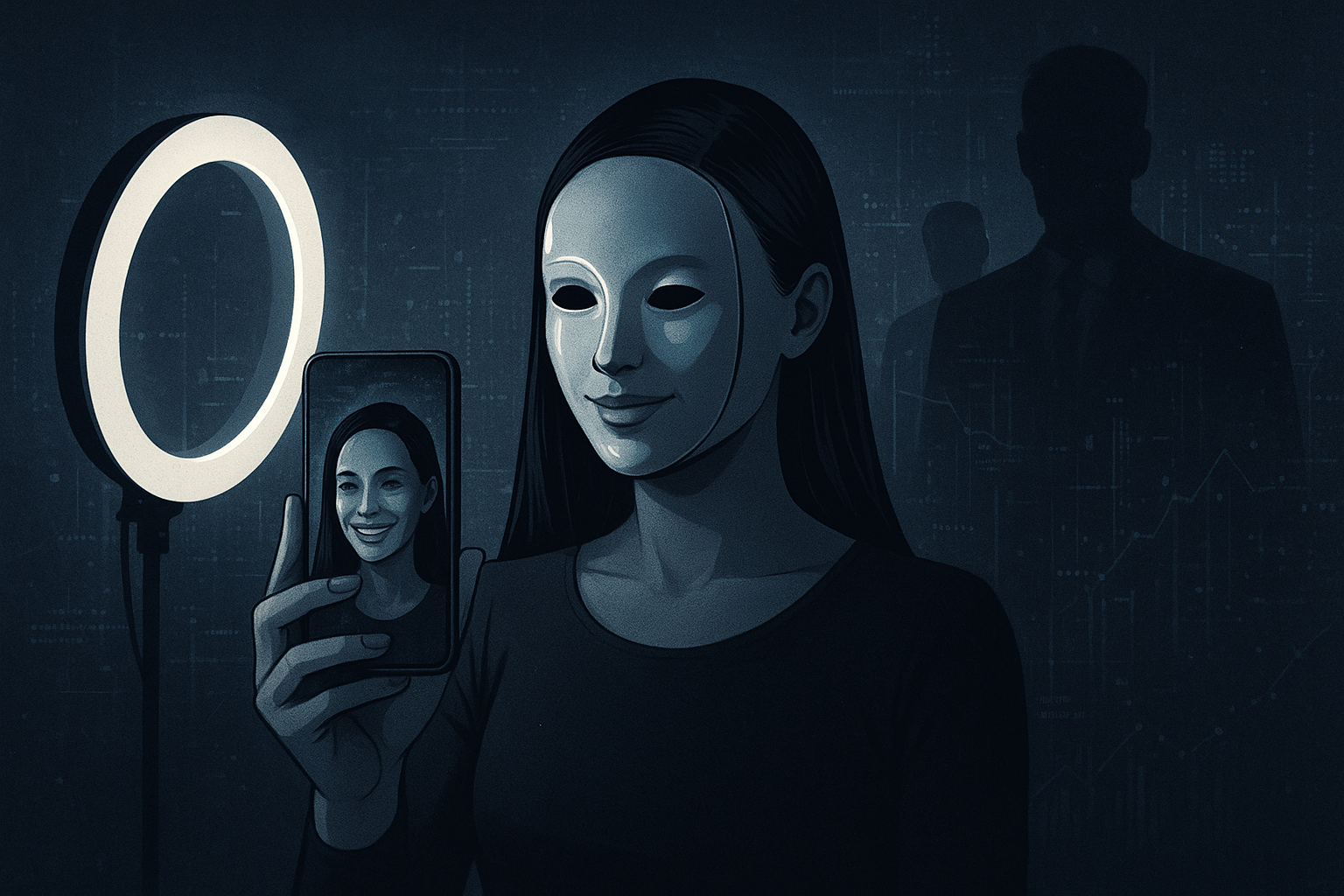
Everyone thinks influencers are harmless just entertainment, just lifestyle, just noise. But once you start digging, you realize the truth: the influencer world is one of the most sophisticated systems of psychological manipulation ever engineered. Behind the matching feeds and curated personalities are corporations, political strategists, data brokers, and investors who treat these “relatable” creators like field agents.

What looks like a product review is often intelligence gathering. What looks like authenticity is often a script. And what looks like a human connection is often a transaction designed to steer choices while the audience stays blind.
The Hidden Machinery Behind the Smile
The influencer industry sells personality, but what it really distributes is compliance. The system rewards creators who can shift public sentiment without raising suspicion. A friendly tone, a familiar face, a flawless image these pieces make a person attractive to audiences and even more attractive to the investors behind them.

The public sees a hustler chasing opportunity. The system sees a perfect informant.
Their job? Shape how people think, buy, react, and behave while pretending they’re just “being themselves.” When brands or political teams need to test ideas, soften public opinion, or study what thousands of people think, influencers become the middlemen.
That’s the part nobody wants to admit. Influence looks soft on the outside, but inside it’s as calculated as any intelligence operation.
Endorsements That Quietly Rewrite Reality
People trust influencers more than institutions. That’s the crack where corruption grows. A single post can move markets, destroy reputations, or revive dying trends. And none of it is random. Endorsements are rarely about quality they’re about leverage. Companies pay for access to emotions. Political groups pay for access to trust. Investors pay for access to data.
What looks like a casual “I’ve been loving this product lately” is often the result of contracts dictating tone, message, and timing.

And the deeper you go, the clearer it gets:
Some influencers report metrics back to investors the way analysts report to their handlers—which posts made people angry, which softened resistance, which communities responded fastest.
The data becomes a map of public vulnerability. A map powerful people use.
Fake Personas and Manufactured Trust
The influencer image is a costume stitched together by marketing teams. Relatable captions. Imperfect-but-perfect storytelling. “Real talk” moments crafted with PR precision. A persona is more profitable than a person, so the industry creates characters the audience won’t question.

Behind those characters sit managers, corporations, and investors who protect the illusion while using it to push ideas the audience never investigates. These fake personas become bait—luring people into believing they’re watching someone genuine.
The irony is almost traditional:
the oldest trick in the book is hiding power behind a friendly face.
The Broken System That Keeps Winning
The internet was supposed to democratize information, but it became a marketplace of manipulation. Algorithms don’t push truth; they push whatever keeps people hooked. Influencers don’t rise because they’re real; they rise because they’re profitable. And the public doesn’t question any of it because they’re conditioned to trust familiarity over fact.

The corruption isn’t loud. It’s quiet. Efficient. Modern.
The kind that slides into timelines and For You pages without resistance. With each scroll, the system learns you. With each like, it shapes you. And with each influencer you trust, you hand a piece of your mind to the highest bidder.
Behind Every Brand Is a Hidden Hand
This is the part the industry hopes everyone overlooks. Every time audiences fall in love with a creator, powerful people smile. A loyal following is a weapon. A trusted persona is a surveillance tool. A convincing endorsement is a profitable lie.
When influencers become informants—knowingly or not the internet becomes a stage where the audience doesn’t realize they’re being studied while they’re being sold to.

To move forward, people must start questioning the familiar. Study the patterns. Ask who benefits. Awareness begins with skepticism, and skepticism is the only thing strong enough to challenge a system built on emotional convenience.
The world of influence wants to shape you. Your job is to stay aware enough not to be shaped.
Why This Matters
This isn’t about exposing a few bad actors. It’s about revealing a system that uses everyday people as emotional leverage. A system that turns relatability into strategy and converts trust into a weapon. The line between influencer and informant gets thinner every year, and most followers don’t see it until the damage is already done.
Influencers no longer influence alone—they influence on behalf of someone.
And the scariest part is that most of them don’t even know it.
What to Expect Next
This article sets the stage for a deeper look at how this machine operates. Each upcoming piece will break down a different layer of the system—how influencers are groomed, how endorsements turn into intelligence, and how hidden investors shape culture from the shadows.
Not the full story now. Just a warning of where this trail leads. The next chapter starts with the mask itself.
Part I: The Persona Trap — How Influencers Become Assets
You must be logged in to post a comment.