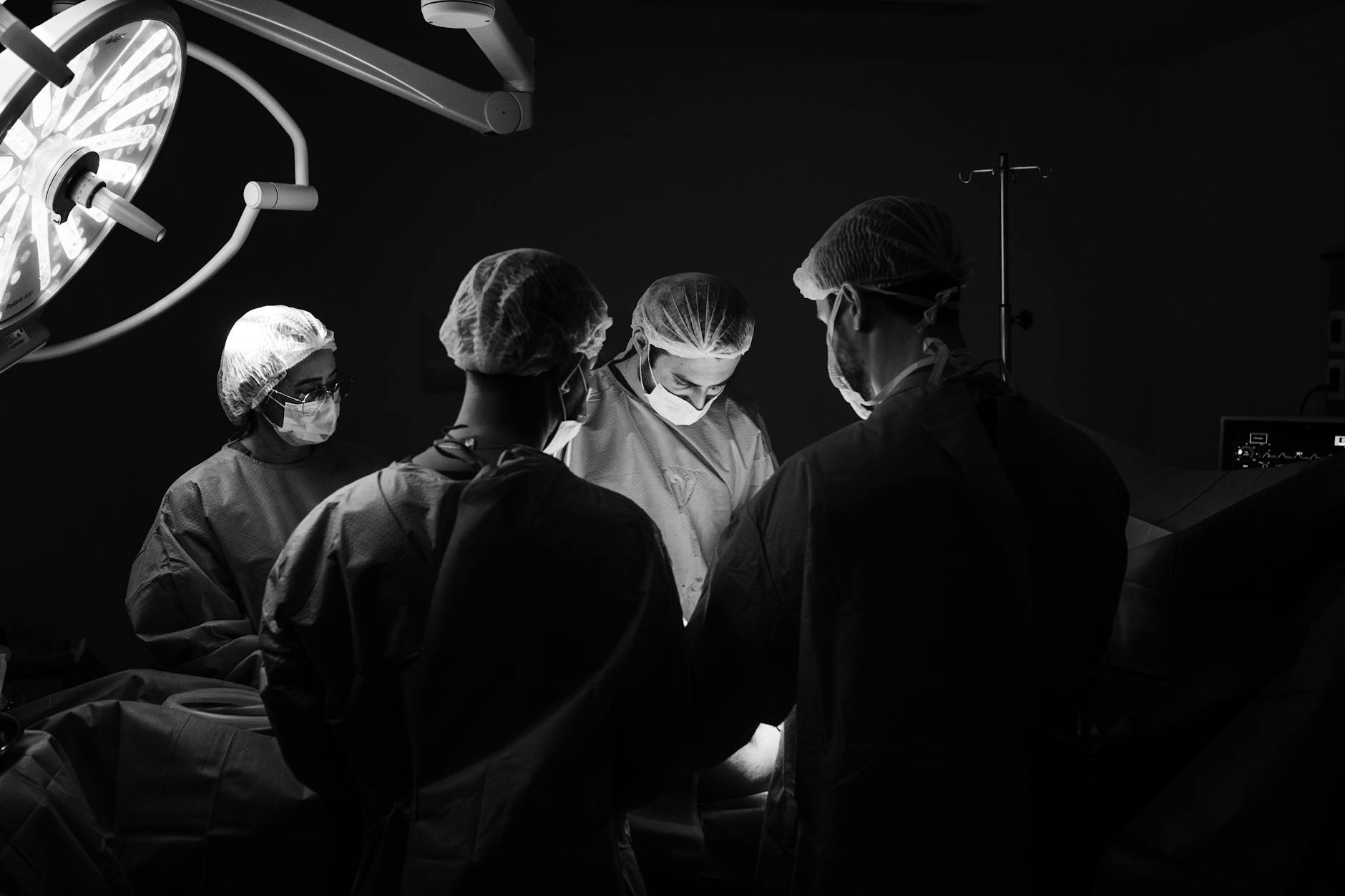
Illegal organ harvesting is one of the darkest and least understood criminal enterprises operating in the modern world. It thrives in the shadows where medicine, desperation, and organized crime intersect. While legitimate organ donation saves lives every day, this hidden industry preys on vulnerability, poverty, and secrecy. What follows is a clear, unflinching look into how the trade works, who profits, and why it continues to grow despite global awareness.
The Anatomy of a Black Market
Organ trafficking exists because the need for transplantable organs far outweighs the legal supply. Even with regulated systems, thousands die each year waiting for a match. This gap fuels a global market where wealthy patients seek organs through “transplant tourism,” paying large sums to bypass long waitlists.

At the other end of the exchange are victims who are deceived, coerced, or abducted. They often live in unstable circumstances. They may be migrants, asylum seekers, or individuals desperate enough to believe promises of payment that rarely materialize. Their bodies become commodities. Their suffering is hidden behind surgical curtains.
How the Networks Operate
These operations are not chaotic. They are calculated systems run by transnational networks that treat human organs like high-value contraband. Recruiters scour impoverished neighborhoods. Brokers coordinate documents, flights, and false identities. Corrupt medical professionals perform surgeries in clinics that appear legitimate on the surface.

The victims are coached on what to say if questioned. They are told to claim they are donating to a relative. They are assured the surgery is safe. They rarely receive proper medical care, follow-up, or even the payment they were promised. Many leave the operating table permanently damaged.
Meanwhile, recipients often pay well over $100,000 for an organ. Only a fraction of that reaches the donor. The rest is absorbed by the network. As long as this profit structure exists, the trade continues.
State-Level Allegations
Some of the most disturbing claims come from China, where human rights investigators have documented patterns of forced organ removal from prisoners of conscience, including Falun Gong practitioners and Uyghur detainees. The 2019 China Tribunal concluded that forced organ harvesting had occurred for years and at significant scale. While the Chinese government denies these claims, the evidence remains a global point of alarm.
Where the Dark Web Fits In
The modern black market is not built only on physical movement. It runs through hidden digital corridors. The dark web acts as a meeting place for brokers, surgeons, and buyers. The anonymity of encrypted platforms allows illegal advertisements, negotiations, and payments to move without detection. Cryptocurrency helps obscure money trails. Coded language shields communication from automated monitoring.

These forums operate like underground marketplaces where the human body becomes a posted item, a listing, a transaction. Law enforcement agencies attempt to infiltrate these spaces, but the networks evolve with every crackdown.
Victims and Consequences
The impact on victims is profound. Many experience long-term health complications, chronic illness, and psychological trauma. They are left to navigate the aftermath alone. Without proper medical care, they face infections, organ failure, or long periods of disability. Since donors are coached to hide the truth, they often lack legal protection or medical records that could help them later.

This silence protects the traffickers. It also shields the recipients who travel across borders to undergo these surgeries in secrecy.
Why Arrests Are Rare
Organ trafficking is difficult to detect, let alone prosecute. Paperwork is falsified. Donors are instructed to mimic family ties. Surgeries occur behind the institutional respectability of white coats and sterile lights. International laws differ, making jurisdiction unclear. In many countries, selling an organ is a crime, so victims fear speaking out.

The involvement of licensed medical professionals further complicates investigations. Without whistleblowers, many cases go unnoticed.
Efforts to Fight the Trade
Global organizations like the UN Office on Drugs and Crime provide tools and guidance, but enforcement varies widely. In the United States, legislation such as the Stop Forced Organ Harvesting Act targets international offenders with sanctions. Ethical organ donation systems remain essential to reducing demand. Registration programs and public awareness campaigns continue to encourage legitimate, lifesaving donation.
Reflection Sidebar: A Hidden Economy Built on Human Life
This black market survives because it turns suffering into a business model. It thrives wherever desperation outweighs opportunity. The trade exposes the moral fractures that appear when wealth, inequality, and medical technology collide. It reminds us that exploitation does not always look chaotic. Sometimes it wears surgical gloves.
Part II — The Shadow Supply Chain: How Human Bodies Become Global Commodities
Follows the trail from rural kidnappings to international clinics. Breaks down routes, logistics, forged documents, and corrupt medical infrastructure.
You must be logged in to post a comment.