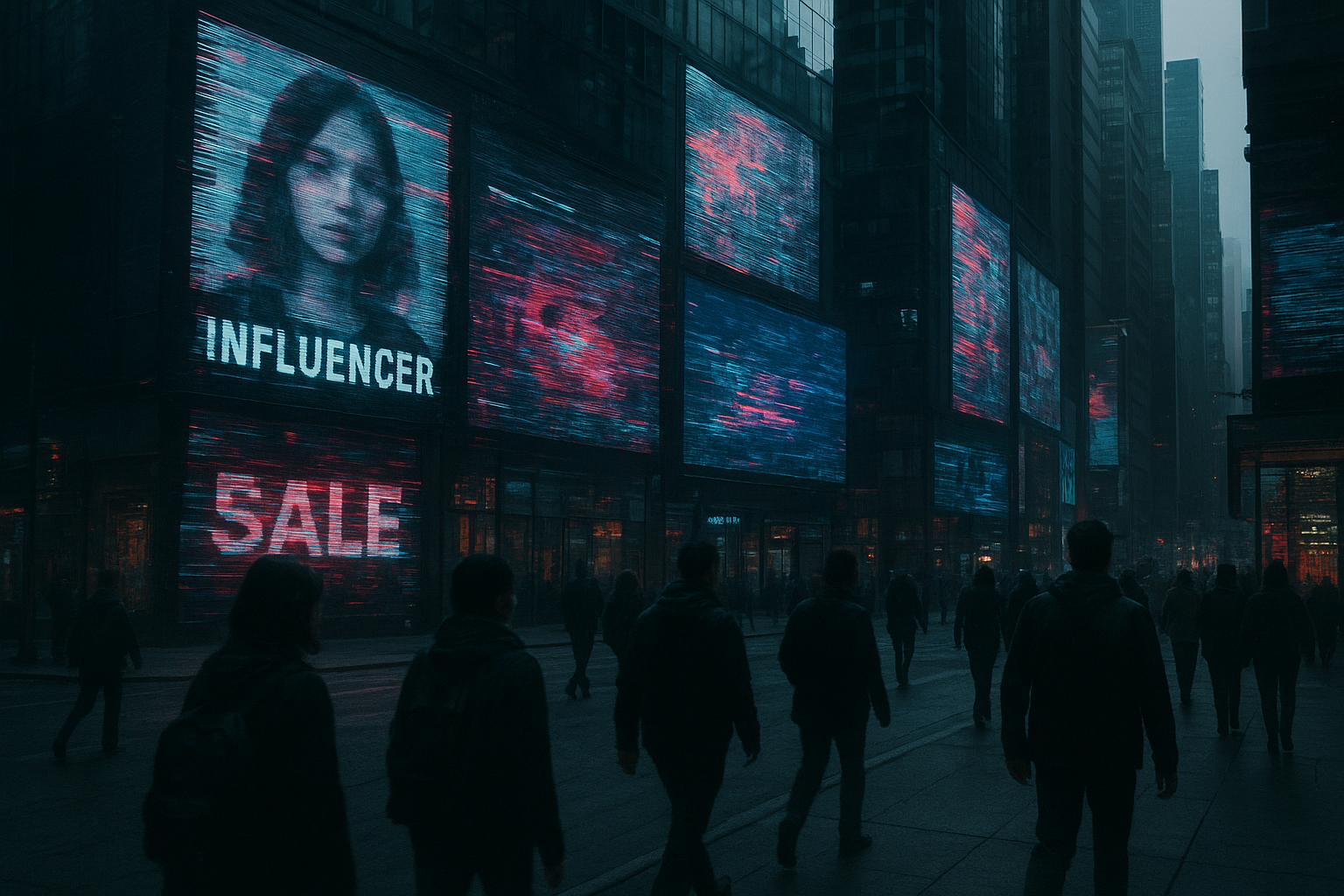
The deeper you look into the influencer world, the more you realize the real power isn’t in the hands of the creators or even the brands paying them. It sits above them, behind them, and around them—held by shadow investors, political strategists, private equity groups, and organizations that operate close to government interests. These groups understand something the public rarely considers: if you control the influencer, you control the outcomes of the conversation.

This final chapter exposes that invisible competition. Not the dramatic propaganda people imagine, but the quiet, calculated forces shaping belief systems through subtle funding and strategic partnerships.
The Investors You Never See, But Always Feel
Most creators believe their rise comes from talent, luck, or timing. Some of that is true, but not all. When certain accounts suddenly skyrocket—especially those pushing specific tones or “public-friendly” narratives—there’s often a guiding hand behind them.

These investors don’t DM creators. They don’t appear publicly. They move money, direct partnerships, and analyze which voices can influence emotions and behaviors on a large scale. When a creator proves they can sway an audience without causing backlash, they become an asset. The unsettling part is that most influencers don’t realize they’re being used in this way.
Contracts That Restrict Without Saying the Word “Control”
The real power doesn’t come from censorship. It comes from incentives. When a creator receives a contract that doubles their income or guarantees exposure, the pressure shifts. They learn what topics make sponsors disappear and what angles bring new offers in.

They aren’t told what to post. They’re shown what gets rewarded.
Subtle restrictions start slipping in:
- “avoid controversy”
- “maintain brand alignment”
- “stay neutral on political issues”
These phrases look harmless. They function like invisible walls.
Before long, a creator stops speaking freely—not because they’re silenced, but because silence pays better.
How Narratives Get Engineered Without Feeling Engineered
The audience wants to believe the algorithm is organic. But algorithms respond to momentum that is often manufactured before content ever reaches a feed. Private equity groups, political analysts, and corporate strategists study which influencers have the perfect blend of trust, relatability, and emotional influence.

They use these creators as soft tools to test reactions, introduce ideas, or guide public sentiment. Nothing is forced. Nothing is obvious. The audience thinks they’re discovering voices on their own, when in reality they’re being shown a curated selection designed to fit a larger plan.
This is what quiet influence looks like: believable, relatable, and completely unseen.
How Narratives Get Engineered Without Looking Engineered
The audience believes the algorithm decides who rises. But algorithms respond to placement decisions made long before content hits anyone’s feed.

Behind the scenes, private equity groups, political strategists, and government-adjacent organizations look for creators who can:
- calm or inflame certain demographics
- soften public resistance
- introduce new political tones
- normalize shifting cultural priorities
Influencers become distribution systems for ideas the public believes they chose organically.
But the menu was chosen for them.
The Silent War for Belief
This is the true conflict. Not ads. Not endorsements. Belief.
Influencers unknowingly serve as conduits for:
- political messaging
- corporate agendas
- cultural engineering
- data extraction wrapped in “engagement”
The danger isn’t that creators are malicious. Most are unaware they’ve stepped into a battlefield. Their authenticity becomes a weapon. Their reach becomes ammunition. Their followers become targets.
Quiet funding replaces loud propaganda. A DM replaces a press briefing. A brand deal replaces a campaign ad.
And belief shifts without anyone noticing who moved it.
A War That Feels Soft, But Hits Hard
Nothing about this war feels dramatic. It’s quiet, efficient, and disguised as opportunity. The more followers an influencer has, the more valuable they become—not as entertainers, but as distribution systems for influence.

Behind every viral moment, every trending opinion, and every “authentic” breakdown is a competition for control that the public rarely sees.
The battlefield is your feed. The weapon is familiarity. The target is belief.
Most people never realize they’ve given away their trust to someone they’ve never actually met.
“In the digital era, the most effective propaganda isn’t loud. It’s sponsored.”
Reflection Box
Ask yourself:
When you scroll, are you choosing what to believe
or are you being guided toward beliefs that benefit someone else?
Because in this system, attention isn’t something you give. It’s something constantly being taken.
You must be logged in to post a comment.