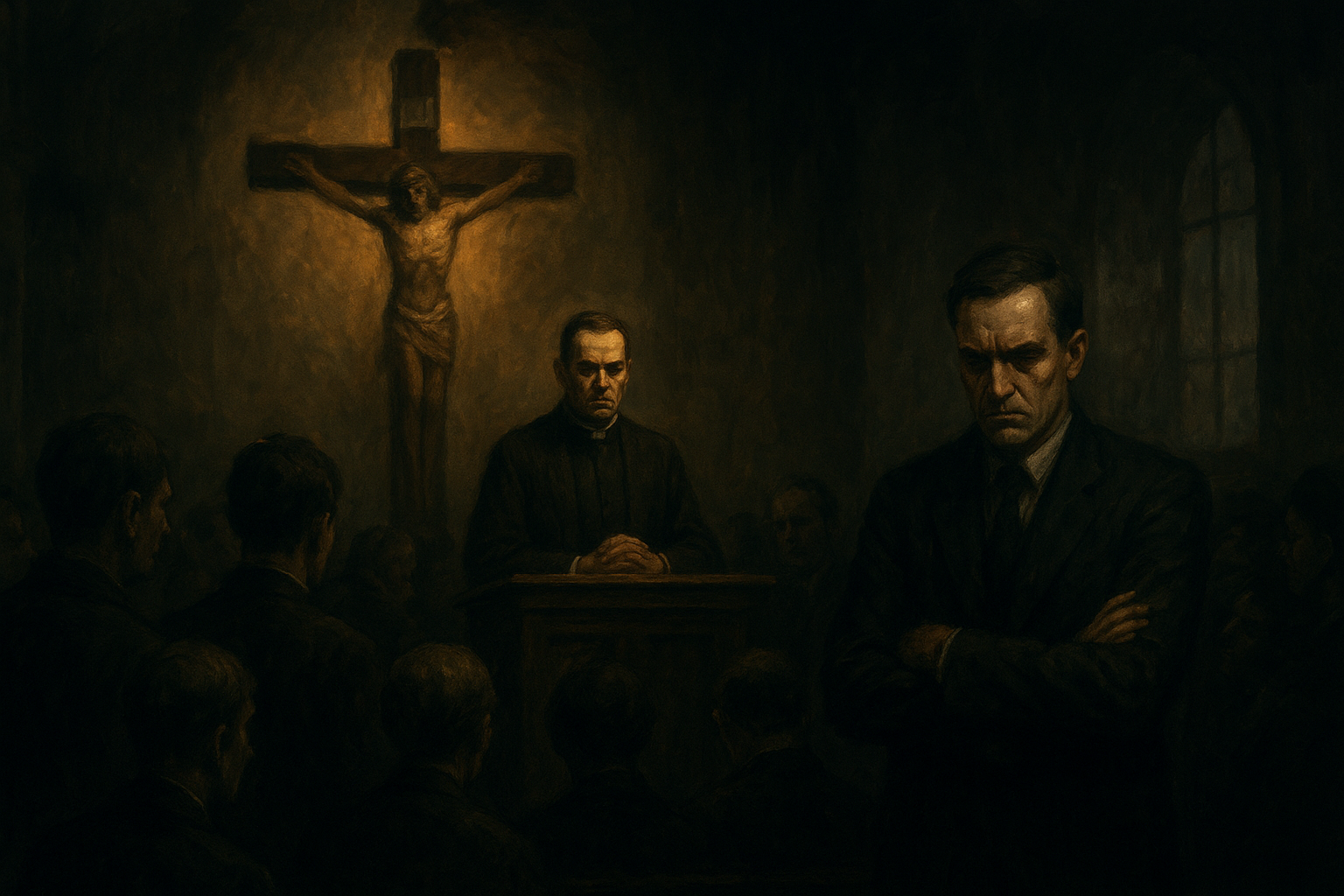
The church, at its heart, is meant to be a community a gathering of believers seeking connection, meaning, and guidance in their spiritual lives. Its walls are meant to shelter and nurture, and its rituals are designed to guide humanity toward higher ideals. Yet, history and modern experience show a more complicated reality. The relationship between man and God, and how organized religion manifests in human society, is often riddled with contradictions, hypocrisy, and misaligned intentions.
The Church as Community and Institution
The word “church” comes from the Greek ekklēsia, meaning an assembly or congregation. It signifies both the global body of Christian believers and the local communities that gather to worship, support one another, and serve society. Traditionally, churches serve as places for prayer, reflection, and fellowship. They host weddings, funerals, and community outreach programs, acting as both spiritual and social centers.

Yet the institution of the church has not always reflected these ideals. From the Crusades to the Inquisition, from complicity in colonial exploitation to modern scandals involving abuse and financial misconduct, the actions of religious institutions often contradict their teachings. These historical and contemporary examples highlight a troubling pattern: the moral authority of the church is frequently undermined by human imperfection, ambition, and the desire for control.
Man and God: The Ideal Versus the Real
Belief in God has been central to human culture, offering meaning, purpose, and moral guidance. People invoke God in language, law, and daily life as a symbol of aspiration, comfort, or even control. Yet, often the use of “God” coexists with actions that contradict the very virtues being celebrated. This paradox is not limited to the institution—it is deeply personal.

Humans are flawed. Even those who sincerely strive to embody religious ideals wrestle with their imperfections. Cultural habit, aspirational morality, and cognitive biases can lead individuals to invoke God without fully embodying the divine attributes they praise. The gap between aspiration and behavior creates tension, criticism, and, at times, the perception of hypocrisy.
“Faith can inspire greatness, but human imperfection ensures that even the most sacred institutions mirror our flaws.”
The Psychology of Control and Faith
A key driver behind religious practice and the invocation of God is the human need for control. Life is unpredictable, and uncertainty triggers anxiety. Belief in a higher power can create a sense of predictability, agency, and security. For many, attributing events to divine will is a coping mechanism—an acknowledgment that some things are beyond human control while reinforcing the belief that they can influence their own choices and moral behavior.

However, when humans seek excessive control—through religious authority, institutional power, or interpersonal influence—the outcome can be destructive. Historical examples, from colonialism justified by Christian doctrine to authoritarian church leadership, show that the illusion of moral and social control can perpetuate suffering while appearing righteous.
Hypocrisy and the Human Paradox
The tension between stated ideals and human behavior is omnipresent in Christianity, both institutionally and individually. Leaders have historically manipulated doctrine for personal or political gain. Wealth, power, and influence have often overshadowed moral imperatives, creating scandals that shake public trust. Similarly, individuals who identify as Christian may fail to live by the virtues they profess, driven by human weakness, cultural habit, or selective interpretation of scripture.

Yet, this contradiction is not necessarily a failure of faith itself. Christianity, like many belief systems, acknowledges human imperfection. The struggle between aspiration and reality is built into its theology—humans are sinners striving for grace, navigating moral complexities, and seeking redemption even as they falter.
The Consequences of Christian Culture
Christian culture has shaped societies positively and negatively. It has inspired charitable work, community cohesion, and moral reflection, but it has also contributed to intolerance, suppression of scientific inquiry, and psychological harm. Fear-based teachings about sin and punishment can foster guilt, anxiety, and trauma.

The paradox of power and morality remains central: the closer humans get to institutional control, the greater the risk of corruption, hypocrisy, and the abuse of authority.
Reflection Sidebar
- How do you personally reconcile your faith with the imperfections of religious institutions?
- Where do you see the line between aspiration and hypocrisy in your own spiritual journey?
- How does the need for control influence your beliefs, actions, or perceptions of others?
Final Thoughts
The church is both sacred and human. It embodies ideals of compassion, morality, and community, yet it is subject to the flaws of those who inhabit it. Understanding this duality is essential for any believer or observer: faith and institutions do not guarantee perfection. Instead, they provide a framework for striving, questioning, and grappling with the paradox of human imperfection. Recognizing the tension between aspiration and reality allows us to engage with religion critically, learn from history, and cultivate our own spiritual and ethical growth.
You must be logged in to post a comment.