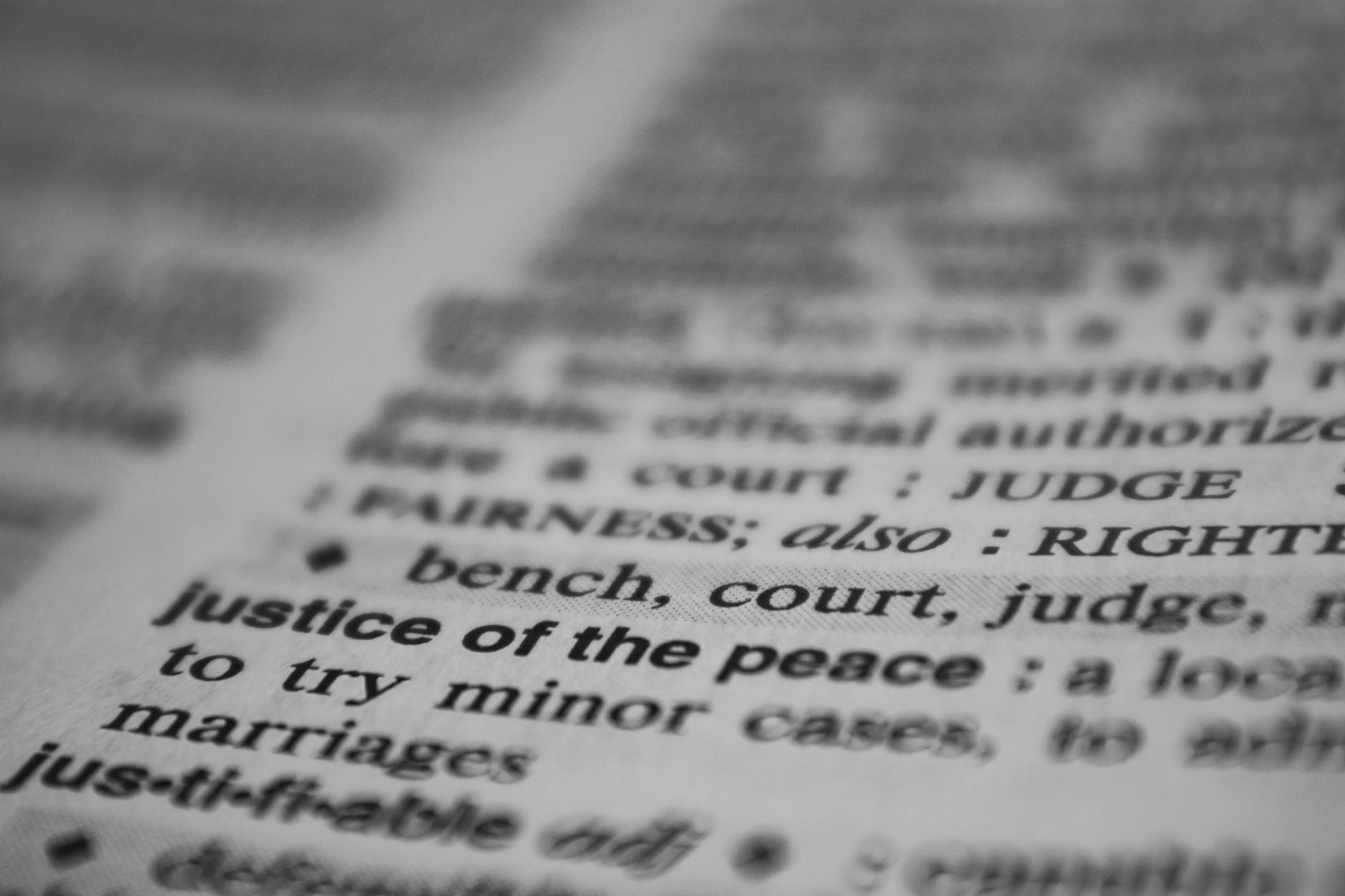
Mini-Series 4: THE ILLUSION OF JUSTICE ⚖️

“When the systems lie, the people must tell the truth.”
We love the idea of justice. Blind. Fair. Universal. But that’s a story we’ve been sold. A comforting lie. Justice isn’t blind it’s selective. It protects power, manipulates perception, and perpetuates inequality. And yet, we keep believing in it.
The Law: Written by the Powerful, Applied Unequally
Laws are supposed to be neutral, but neutrality is a myth. Laws are drafted by humans with agendas. Take the war on drugs, for example. Statistically, Black Americans are almost four times more likely to be arrested for marijuana than white Americans, despite similar usage rates. Mandatory minimums, sentencing disparities, and prosecutorial discretion create outcomes that are predictable and they disproportionately punish marginalized communities.

Corporate crimes, on the other hand, often go unpunished. Executives responsible for massive financial fraud or environmental disasters rarely see jail time. Bernie Madoff, the poster child of white-collar crime, was an exception, not the rule. Most others walk away with fines while workers, communities, and ordinary citizens shoulder the fallout. Laws, in practice, are enforcement tools for the powerful.
Courts: Theater Disguised as Justice
Courts are sold to us as impartial. But judges and prosecutors are influenced by political pressure, funding priorities, and public opinion. High-profile cases dominate media cycles, turning trials into spectacle while thousands of smaller, equally consequential cases disappear in the shadows.

Consider the case of Kalief Browder, a 16-year-old from the Bronx, jailed for three years without trial because he couldn’t pay bail. His case was not unique; it was systemic. Wealth dictates freedom. Poverty dictates punishment. And the media rarely asks why this is normalized.
False Democracy: A Tool for Compliance
We’re told democracy ensures accountability. Yet, real power often lies elsewhere in lobbyists, corporations, and entrenched institutions. They determine who gets prosecuted, who gets protected, and which narratives dominate the headlines.

Citizens debate policies, vote, and engage, but the outcomes favor those who already hold power. Justice becomes performative, designed to maintain faith in a system that protects itself first.
Racism: The Glue of the Illusion
Racism is not an accident it’s embedded in the machinery of law and order. From stop-and-frisk policies in New York to disproportionate sentencing in federal prisons, race determines outcomes at every stage.

Black Americans are incarcerated at more than five times the rate of white Americans. Indigenous peoples, Latinx communities, and other marginalized groups face similar disparities. And yet, when cases of injustice surface, society acts surprised. It’s not an anomaly it’s systemic.
Modern Puppetry: Who Really Controls Justice
Legal puppetry doesn’t require overt corruption. It works through selective enforcement, media narratives, plea deals, and bureaucratic procedures. Consider the financial bailouts of 2008: banks and executives responsible for triggering a global recession were bailed out; homeowners and ordinary citizens lost everything. The law served the powerful, the media framed the narrative, and society accepted it. Justice? Only in appearance.
Seeing the Illusion Clearly
So, when we ask, “Justice for who?” the answer is undeniable: it’s for those who control the system, not the people it claims to protect. Justice is a performance, a narrative, a mechanism to keep the public compliant while power goes unchallenged.

Understanding this is uncomfortable, but it’s necessary. If the systems lie, silence is complicity. Recognizing the illusion of justice is the first step in dismantling it. Seeing it clearly is the first act of resistance. Until then, justice remains a word, not a right.
You must be logged in to post a comment.